online ngo registration process

NGO registration online Blacktie Legal Services Blacktie Legal Services India LLP Blacktie Legal Services India Blacktie Legal Consultancy Blacktie Legal Firm Blacktie Legal Solutions Blacktie Legal Experts
Blogs

NGO Registration Online: 2025 का Fast & Hassle-Free Step-by-Step Guide

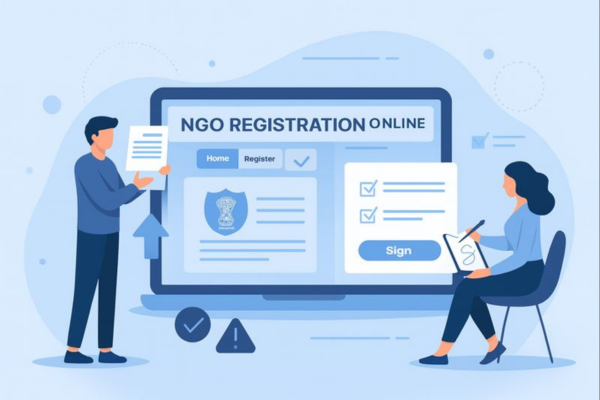
For Applying NGO Annual Return Click Here… What Is NGO Registration Online and Why It Matters Today In today’s digital-driven world, NGO registration online has emerged as one of the easiest and most efficient ways to legally establish a non-governmental organization in India. Instead of visiting multiple government offices, waiting in long queues, or dealing with complicated offline paperwork, the entire registration process can now be completed from the comfort of your home or office. This digital system allows founders, social workers, and organizations to apply for registration quickly, upload documents securely, and track the status of their application in real time. But NGO registration online is more than just convenience—it ensures transparency, faster processing, and reduced chances of errors. Since all forms and documents are submitted digitally, it becomes easier for authorities to verify them and approve applications without delays. This modern approach also helps new NGOs build credibility, as a properly registered organization is more likely to receive government support, corporate CSR funding, and public trust. In a world where social impact and community development rely heavily on structure and accountability, NGO registration online matters because it empowers individuals and groups to formalize their mission quickly and legally. Whether you aim to work in education, health, women empowerment, environmental protection, or any other cause, online registration makes it easier to get recognized and start your journey toward creating real change. Step-by-Step Guide to Completing NGO Registration Online Completing NGO registration online may seem complicated at first, but the process is actually quite simple once you understand the required steps. The government has digitized most of the documentation and application procedures, making it faster and more accessible for anyone who wants to start a non-profit organization. Here’s a clear, step-by-step guide to help you register your NGO without confusion: 1. Choose the Right Type of NGO Before you begin the NGO registration online process, decide whether you want to register as: Each structure serves a different purpose and has specific legal requirements. Your choice will determine which documents you need and where to apply. 2. Prepare the Essential Documents The next step is gathering the paperwork needed for NGO registration online. Common documents include: Having these documents ready ensures a smooth and quick application process. 3. Create an Online Account on the Relevant Portal To start the NGO registration online process, visit the official government portal that corresponds to your chosen NGO type. Once there, create an account using your email ID and mobile number. This account will allow you to submit your application, upload documents, and track progress. 4. Fill Out the Online Application Form After logging in, fill in all the required information accurately. This includes the NGO’s name, purpose, member details, and address. Make sure every detail is correct because errors can cause delays in the NGO registration online approval. 5. Upload All Supporting Documents The portal will prompt you to upload scanned copies of your documents. Ensure they are clear, readable, and uploaded in the correct format. Since NGO registration online is fully digital, proper document uploading is a crucial step. 6. Pay the Registration Fee Once the form and documents are submitted, you’ll be directed to make the payment. The fee varies depending on the registration type. The online payment system makes the fee submission simple and secure. 7. Verification and Approval After you submit your application, the authorities will review your details and documents. If everything is in order, your NGO registration online will be approved. If any corrections are needed, you’ll be notified through email or the portal dashboard. 8. Download Your Registration Certificate Once approved, you can download your official NGO registration certificate directly from the portal. This certificate is essential for opening a bank account, applying for licenses, or receiving CSR funds. Top Benefits of Applying for NGO Registration Online Choosing NGO registration online offers several practical advantages that make the entire process smoother, faster, and far more convenient than traditional offline methods. As more organizations move toward digital systems, online registration has become the preferred route for anyone looking to start a legally recognized non-profit. Here are the top benefits of applying online: 1. Quick and Hassle-Free Process One of the biggest benefits of NGO registration online is the speed. Instead of waiting in long queues or scheduling visits to government offices, you can complete the entire process digitally. This saves time and allows you to focus more on building your NGO rather than navigating paperwork. 2. Convenience From Anywhere Online registration eliminates geographical restrictions. Whether you’re in a metro city or a remote town, NGO registration online makes it possible to apply from wherever you are. All you need is a stable internet connection and the relevant documents. 3. Transparent and Error-Free The digital system ensures transparency at every step. When you apply for NGO registration online, the portal guides you through the process, reducing confusion and minimizing errors. You also get real-time updates on your application status, so you’re never left in the dark. 4. Faster Document Verification Since all documents are uploaded digitally, verification becomes quicker and more systematic. This significantly reduces the time taken for approvals and helps you get your NGO officially registered sooner. 5. Secure Digital Record Keeping With NGO registration online, every document and application detail is stored securely on the government portal. This means you can easily access past submissions, download certificates, or retrieve information whenever needed. 6. Cost-Effective and Efficient Applying online often reduces the extra costs associated with travel, middlemen, or physical paperwork. The process is straightforward, making NGO registration online a more cost-efficient option for new organizations looking to save resources. 7. Builds Credibility for the NGO A properly registered NGO is more likely to gain trust from donors, partners, and government bodies. Since the online process is streamlined and standardized, NGO registration online adds an extra layer of credibility to your organization. 8. Easy Tracking and Updates One of the most user-friendly advantages is the ability
ngo registration process
Blogs

NGO Registration Process in India 2025 – Step-by-Step Guide, Eligibility, Documents & Benefits

For Applying NGO Registration – Click Here What is NGO Registration? An NGO Registration Process refers to the legal procedure through which a Non-Governmental Organization (NGO) gets officially recognized by the government. In simple words, when a group of people come together to work for social welfare, education, healthcare, women empowerment, or other charitable activities, they need a legal identity to function smoothly. By completing the NGO Registration Process, the organization gains legal status, which allows it to open a bank account in the name of the NGO, apply for government grants, receive donations legally, and build trust with the public. In India, NGOs can be registered under different acts such as the Trust Act, the Societies Registration Act, or the Companies Act (as a Section 8 Company). Without completing the NGO Registration Process, an NGO is considered informal and may face difficulties in fundraising, compliance, and recognition. That’s why registering an NGO is the first and most important step for anyone planning to make a real impact in society. Why is NGO Registration Important in India? The NGO Registration Process plays a crucial role for anyone who wants to start a social welfare initiative in India. While anyone can form a group and work for a good cause, legal registration gives the organization credibility, recognition, and long-term benefits. One of the biggest reasons why NGO registration is important is legal protection. Once registered, the NGO becomes a separate legal entity, which means its members are not personally liable for its debts or obligations. This makes it safer and more professional to run. Another key advantage of completing the NGO Registration Process is fundraising and financial support. A registered NGO can legally receive donations, apply for government grants, or even seek foreign contributions (after FCRA approval). Donors, whether individuals or corporate houses, prefer supporting registered organizations because they are accountable and transparent. Additionally, registration builds trust and credibility. When an NGO is registered, it sends a strong message to society, stakeholders, and authorities that the organization is serious, authentic, and compliant with Indian laws. In short, without going through the NGO Registration Process, an NGO may face difficulties in recognition, fundraising, and legal standing. With registration, it gets the foundation to grow and create a meaningful social impact. Types of NGOs in India (Trust, Society, Section 8 Company) When you start the NGO Registration Process in India, you must first decide under which legal structure your NGO will operate. Broadly, NGOs in India can be registered as a Trust, Society, or Section 8 Company. Each type has its own laws, benefits, and requirements. 1. Trust A Trust is usually formed to promote charitable activities such as education, healthcare, or community development. It is governed by the Indian Trusts Act, 1882. The NGO Registration Process for a Trust involves creating a Trust Deed, mentioning the objectives, trustees, and property involved. Trusts are often chosen for their simple structure and long-term charitable focus. 2. Society A Society is registered under the Societies Registration Act, 1860, and is ideal for groups that aim to work collectively for social welfare, culture, art, or research. The NGO Registration Process for a Society requires at least seven members to form it. Societies are more democratic in nature since they have a governing body and members who vote on important decisions. 3. Section 8 Company A Section 8 Company is registered under the Companies Act, 2013, and is considered the most structured form of NGO. It is created for promoting commerce, art, science, education, or social welfare—without the intention of making profits. The NGO Registration Process for a Section 8 Company involves approvals from the Registrar of Companies. Although it requires more compliance, it offers high credibility and attracts larger donors and corporate partnerships. In summary, whether you choose a Trust, Society, or Section 8 Company, the NGO Registration Process gives your organization a legal identity, making it easier to achieve your social goals effectively. Eligibility Criteria for NGO Registration Process Before starting the NGO Registration Process in India, it is important to understand who is eligible to register an NGO. While the requirements may vary depending on whether you choose a Trust, Society, or Section 8 Company, some basic conditions remain common. In short, anyone with a genuine charitable vision, the right number of members, and legal eligibility can go through the NGO Registration Process and give their social initiative a legal identity. Documents Required for NGO Registration Process When you begin the NGO Registration Process in India, having the right documents is very important. Submitting complete and correct paperwork ensures smooth approval and avoids unnecessary delays. Although the exact documents may differ depending on whether you register as a Trust, Society, or Section 8 Company, the common list includes: Submitting these documents properly is a crucial step in the NGO Registration Process. Once verified by the authorities, your NGO gains a legal identity, making it easier to raise funds, build trust, and carry out social work effectively. Step-by-Step NGO Registration Process in India Starting a social initiative requires following the proper legal route. The NGO Registration Process in India varies depending on whether you want to register a Trust, Society, or Section 8 Company. Below is a detailed step-by-step guide for each type. Trust Registration Process Society Registration Process Section 8 Company Registration Process Online NGO Registration Process – How to Apply Online? In today’s digital era, the NGO Registration Process can be completed online, making it faster and more convenient. Online registration allows applicants to submit forms, upload documents, and track their application from anywhere in India. Here’s a step-by-step guide on how to apply online: The Online NGO Registration Process simplifies legal compliance, saves time, and reduces paperwork. It is highly recommended for anyone looking to start an NGO in India efficiently. Cost and Fees of NGO Registration Process in India Understanding the cost and fees involved in the NGO Registration Process is essential for planning your social initiative. The fees vary

Scroll to Top