
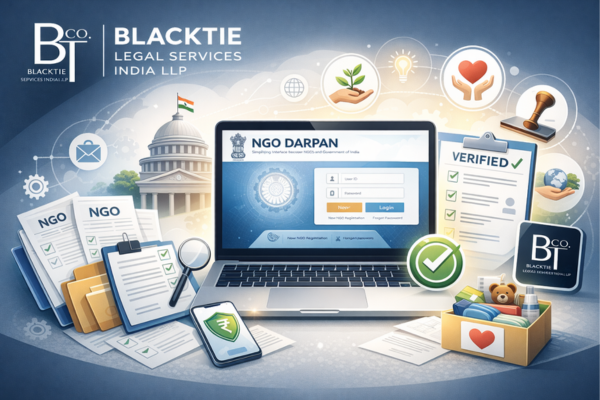
ngo registration process

NGO Darpan registration
Blogs

NGO Darpan Registration – Meaning, Process, Documents & Benefits

For Applying NGO Annual Return Click Here… What is NGO Darpan Registration? NGO Darpan registration is an online verification process launched by the NITI Aayog, Government of India, to create transparency and maintain a national database of NGOs and voluntary organizations working across the country. It is a digital platform where NGOs, trusts, and societies can register themselves to get a Unique ID (UID), which acts as an official recognition by the government. This registration helps the government understand which NGOs are active, what projects they work on, and how they are contributing to society. When an NGO completes its NGO Darpan registration, it becomes eligible to apply for various government schemes, grants, CSR funds, and partnerships with different ministries. In simple words, NGO Darpan registration is like creating a verified government profile of your NGO, ensuring that your organization is trusted, transparent, and officially recognized at the national level. It is not the same as NGO formation—rather, it is an additional and essential step for NGOs that want to work with government bodies or receive financial support from them. Why NGO Darpan Registration is Mandatory for NGOs? NGO Darpan registration is mandatory because it helps the government identify genuine and active NGOs working in India. The platform acts as a central database where NGOs provide their basic details, activities, financial information, and key documents. This creates transparency and builds trust between NGOs and various government departments. The government has made NGO Darpan registration mandatory for a very important reason—any NGO that wants to apply for government grants, funding, or schemes must have a Unique ID (UID) generated from the NGO Darpan portal. Without this UID, ministries and government bodies cannot release funds or approve project proposals. Another reason it is compulsory is to prevent misuse of public funds. Through NGO Darpan registration, the government verifies the credibility, past work, and legal status of the NGO. This ensures that only genuine organizations receive financial support, and the entire process remains transparent and accountable. Overall, NGO Darpan registration is mandatory because it creates credibility, ensures accountability, and opens the door for government partnerships, making it essential for every NGO that wants to work officially with government agencies or receive financial assistance. Eligibility for NGO Darpan Registration To apply for NGO Darpan registration, an organization must be legally formed and recognized under Indian law. This means only NGOs that have valid registration documents are allowed to apply on the NGO Darpan portal. The platform is designed to verify genuine NGOs, so eligibility is straightforward and clearly defined. Any NGO that is registered as a Society, Trust, or Section 8 Company can apply for NGO Darpan registration. The organization must also have at least one office bearer’s PAN card, a valid mobile number, and an email ID for OTP verification. These details help authenticate the organization’s identity during the registration process. Another important eligibility requirement is that the NGO must provide accurate information about its principal activities, key members, registration details, and past work. The government uses these details to verify the credibility of the NGO before issuing the Unique ID (UID). In simple terms, any legally registered and active NGO in India is eligible for NGO Darpan registration, provided it has the right documents, updated information, and genuine operations. This eligibility ensures only credible organizations are listed and can access government schemes and grants. Documents Required for NGO Darpan Registration To complete NGO Darpan registration, an organization must submit a set of basic documents that help verify its legal identity and authenticity. These documents ensure that only genuine and legally registered NGOs appear on the government’s official database. The documentation process is simple and requires information that every registered NGO already has. The most important document required for NGO Darpan registration is the NGO’s registration certificate, whether the organization is registered as a Society, Trust, or Section 8 Company. This certificate proves that the NGO is legally recognized under Indian law. Along with this, the NGO must provide its PAN card, as the government uses this number to verify financial credibility. You also need the PAN card of at least one office bearer, such as the president, secretary, or trustee. This helps confirm the identity of the people responsible for running the NGO. Additionally, NGOs must share details about their key members, including their names, contact information, and positions. Another important requirement includes the NGO’s official address proof, such as electricity bills, rent agreements, or any valid government document showing the registered address. Some NGOs may also upload their Annual Report, Audit Report, or details of major projects, although these documents are optional but helpful for credibility. In summary, the documents required for NGO Darpan registration mainly focus on legal identity, PAN verification, and basic organizational details. With these documents ready, NGOs can easily complete the registration and obtain their Unique ID (UID). Step-by-Step NGO Darpan Registration Process The NGO Darpan registration process is simple and fully online, allowing NGOs to register themselves and obtain a Unique ID (UID) in just a few steps. The portal, managed by NITI Aayog, ensures transparency and helps NGOs connect with various government ministries. Here is a clear step-by-step guide to help you complete the process smoothly: 1. Visit the Official NGO Darpan Portal Start by visiting the official website of NGO Darpan. This is where NGOs can register, update details, and get their UID.On the homepage, you will find the “Register Your NGO” option. Click on it to begin the process. 2. Create a User Login Account In this step, enter your email ID and mobile number to generate an OTP.Once verified, you will be able to create your username and password, which will be used to log in to the portal. 3. Enter NGO Registration Details After logging in, fill in the basic information about your NGO such as: These details help confirm the legal identity of your organization. 4. Upload Documents Now, upload the required documents such as: 5. Provide Key Member
ngo registration process
Blogs

NGO Registration Process in India 2025 – Step-by-Step Guide, Eligibility, Documents & Benefits

For Applying NGO Registration – Click Here What is NGO Registration? An NGO Registration Process refers to the legal procedure through which a Non-Governmental Organization (NGO) gets officially recognized by the government. In simple words, when a group of people come together to work for social welfare, education, healthcare, women empowerment, or other charitable activities, they need a legal identity to function smoothly. By completing the NGO Registration Process, the organization gains legal status, which allows it to open a bank account in the name of the NGO, apply for government grants, receive donations legally, and build trust with the public. In India, NGOs can be registered under different acts such as the Trust Act, the Societies Registration Act, or the Companies Act (as a Section 8 Company). Without completing the NGO Registration Process, an NGO is considered informal and may face difficulties in fundraising, compliance, and recognition. That’s why registering an NGO is the first and most important step for anyone planning to make a real impact in society. Why is NGO Registration Important in India? The NGO Registration Process plays a crucial role for anyone who wants to start a social welfare initiative in India. While anyone can form a group and work for a good cause, legal registration gives the organization credibility, recognition, and long-term benefits. One of the biggest reasons why NGO registration is important is legal protection. Once registered, the NGO becomes a separate legal entity, which means its members are not personally liable for its debts or obligations. This makes it safer and more professional to run. Another key advantage of completing the NGO Registration Process is fundraising and financial support. A registered NGO can legally receive donations, apply for government grants, or even seek foreign contributions (after FCRA approval). Donors, whether individuals or corporate houses, prefer supporting registered organizations because they are accountable and transparent. Additionally, registration builds trust and credibility. When an NGO is registered, it sends a strong message to society, stakeholders, and authorities that the organization is serious, authentic, and compliant with Indian laws. In short, without going through the NGO Registration Process, an NGO may face difficulties in recognition, fundraising, and legal standing. With registration, it gets the foundation to grow and create a meaningful social impact. Types of NGOs in India (Trust, Society, Section 8 Company) When you start the NGO Registration Process in India, you must first decide under which legal structure your NGO will operate. Broadly, NGOs in India can be registered as a Trust, Society, or Section 8 Company. Each type has its own laws, benefits, and requirements. 1. Trust A Trust is usually formed to promote charitable activities such as education, healthcare, or community development. It is governed by the Indian Trusts Act, 1882. The NGO Registration Process for a Trust involves creating a Trust Deed, mentioning the objectives, trustees, and property involved. Trusts are often chosen for their simple structure and long-term charitable focus. 2. Society A Society is registered under the Societies Registration Act, 1860, and is ideal for groups that aim to work collectively for social welfare, culture, art, or research. The NGO Registration Process for a Society requires at least seven members to form it. Societies are more democratic in nature since they have a governing body and members who vote on important decisions. 3. Section 8 Company A Section 8 Company is registered under the Companies Act, 2013, and is considered the most structured form of NGO. It is created for promoting commerce, art, science, education, or social welfare—without the intention of making profits. The NGO Registration Process for a Section 8 Company involves approvals from the Registrar of Companies. Although it requires more compliance, it offers high credibility and attracts larger donors and corporate partnerships. In summary, whether you choose a Trust, Society, or Section 8 Company, the NGO Registration Process gives your organization a legal identity, making it easier to achieve your social goals effectively. Eligibility Criteria for NGO Registration Process Before starting the NGO Registration Process in India, it is important to understand who is eligible to register an NGO. While the requirements may vary depending on whether you choose a Trust, Society, or Section 8 Company, some basic conditions remain common. In short, anyone with a genuine charitable vision, the right number of members, and legal eligibility can go through the NGO Registration Process and give their social initiative a legal identity. Documents Required for NGO Registration Process When you begin the NGO Registration Process in India, having the right documents is very important. Submitting complete and correct paperwork ensures smooth approval and avoids unnecessary delays. Although the exact documents may differ depending on whether you register as a Trust, Society, or Section 8 Company, the common list includes: Submitting these documents properly is a crucial step in the NGO Registration Process. Once verified by the authorities, your NGO gains a legal identity, making it easier to raise funds, build trust, and carry out social work effectively. Step-by-Step NGO Registration Process in India Starting a social initiative requires following the proper legal route. The NGO Registration Process in India varies depending on whether you want to register a Trust, Society, or Section 8 Company. Below is a detailed step-by-step guide for each type. Trust Registration Process Society Registration Process Section 8 Company Registration Process Online NGO Registration Process – How to Apply Online? In today’s digital era, the NGO Registration Process can be completed online, making it faster and more convenient. Online registration allows applicants to submit forms, upload documents, and track their application from anywhere in India. Here’s a step-by-step guide on how to apply online: The Online NGO Registration Process simplifies legal compliance, saves time, and reduces paperwork. It is highly recommended for anyone looking to start an NGO in India efficiently. Cost and Fees of NGO Registration Process in India Understanding the cost and fees involved in the NGO Registration Process is essential for planning your social initiative. The fees vary

Scroll to Top