Food License India: A Best Complete Guide to Eligibility, Types, Fees & Online Process 2025
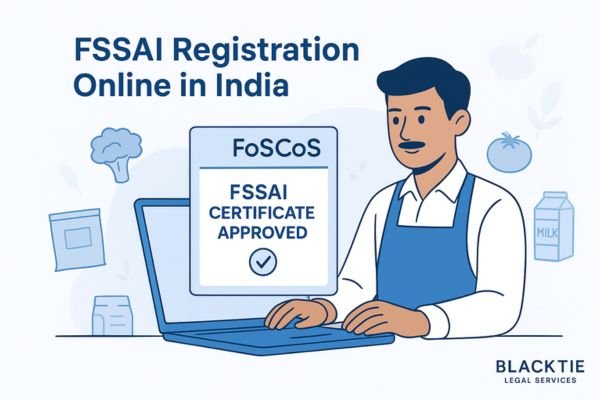
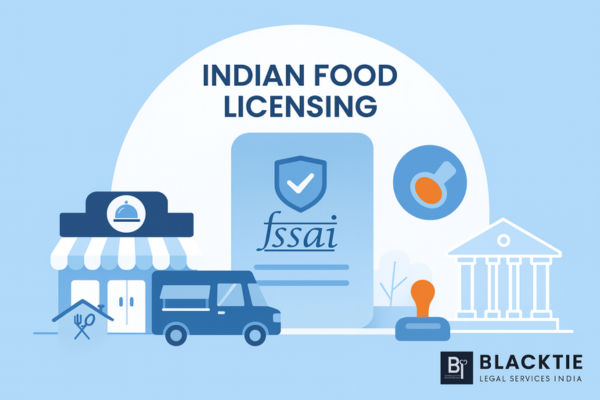
For Applying FSSAI License Click Here… What is Food License India? Food License India refers to the mandatory approval issued by the Food Safety and Standards Authority of India (FSSAI) that allows individuals and businesses to operate legally in the food sector. Whether you run a small home-based kitchen, a restaurant, a food truck, a bakery, a dairy unit, or even an online food business, obtaining a food license is compulsory. The main purpose of Food License India is to ensure that all food products sold in the market are safe, hygienic, and meet the necessary quality standards.In simple terms, this license acts as your business’s legal identity and ensures customers that the food they consume is trustworthy and safe. Explain the Meaning of Food License in India and Why FSSAI Registration is Mandatory The term Food License in India refers to the official authorization granted by FSSAI to food-related businesses. This license verifies that your business follows all food safety regulations, maintains hygiene standards, and produces or sells food that is safe for public consumption. Under Food License India rules, no food business operator is allowed to manufacture, store, distribute, or sell food products without proper registration. FSSAI registration is mandatory because it helps the government monitor food quality and ensures that businesses follow strict safety norms. It also protects consumers from adulterated, unsafe, or poor-quality food. By obtaining Food License India, businesses gain legal protection, increase their market credibility, and build customer trust. Additionally, platforms like Swiggy, Zomato, Amazon Pantry, and major supermarkets require sellers to have a valid FSSAI license.Overall, FSSAI registration under Food License India is essential for running a legal, transparent, and reliable food business in India. Why Food License India is Mandatory for All Food Businesses Food License India is mandatory for every food business because it ensures that the food being prepared, stored, or sold meets the safety and quality standards set by the Food Safety and Standards Authority of India (FSSAI). Whether you are running a small home kitchen or a large manufacturing unit, following the Food License India rules is a legal requirement that protects both your business and your customers. Legally, every Food Business Operator (FBO) must register under FSSAI before starting operations. If a business fails to obtain Food License India, it can face heavy penalties, fines, suspension of operations, or even closure. In serious cases involving unsafe or contaminated food, businesses may also face legal action under the Food Safety and Standards Act, 2006. The mandatory nature of Food License India goes beyond legal compliance—it plays a crucial role in consumer safety. It ensures that the food people consume is hygienic, free from harmful ingredients, and handled with proper care. This not only builds trust and brand credibility but also keeps the overall food ecosystem safe and transparent. In short, Food License India is essential because it protects public health, ensures accountability, prevents food fraud, and keeps food businesses legally secure and trustworthy. Types of Food License in India Under the Food License India system, every food business must register or obtain a license based on its size, turnover, and nature of operations. FSSAI has divided the licensing process into three main categories, ensuring that all types of food businesses—from small home kitchens to large industries—follow proper safety standards. Below are the three types of Food License India you need to understand: 1. Basic FSSAI Registration Basic FSSAI Registration is the simplest form of registration under Food License India. It is meant for small food businesses whose annual turnover is up to ₹12 lakh. This includes home bakers, tiffin services, small food stalls, petty retailers, homemade food sellers, and small-scale food manufacturers. Under this category, businesses receive a 14-digit FSSAI registration number, which must be printed on food packages or displayed at the place of business. The Basic Food License India ensures that small businesses operate legally while maintaining hygiene and safety during food handling. 2. State Food License A State Food License is required for medium-sized food businesses under the Food License India rules. This license applies to businesses with an annual turnover between ₹12 lakh and ₹20 crore. It includes restaurants, medium-scale manufacturers, food transporters, distributors, storage units, dairy units, and processors operating within a single state. The State Food License ensures that these businesses follow state-level food safety guidelines and comply with FSSAI standards. If your business operates in only one state but has a higher turnover or capacity, this is the right license under Food License India. 3. Central Food License The Central Food License is the highest category under Food License India and is meant for large-scale food businesses. You need this license if your turnover exceeds ₹20 crore, or if your business operates in multiple states. It is also mandatory for importers, exporters, large manufacturers, government institutions, airport-based businesses, and large e-commerce food suppliers. The Central Food License ensures stricter compliance with national food safety regulations. It is issued directly by the Central FSSAI Authority, making it essential for businesses dealing with high-volume food production or interstate operations. Who Needs Food License in India? Under the Food License India regulations, every business that handles food in any form—whether selling, storing, manufacturing, packaging, or distributing—must obtain an FSSAI registration or license before starting operations. The purpose of Food License India is to ensure that all businesses involved in the food supply chain maintain safety, hygiene, and quality standards. Here is a complete list of businesses that must obtain a food license in India: 1. Cloud Kitchens Online-only kitchens and home-based food delivery businesses must register under Food License India to operate legally on platforms like Swiggy and Zomato. 2. Restaurants & Cafés All dine-in restaurants, cafes, bakeries, and fast-food outlets—small or large—require FSSAI licensing to ensure proper food handling and hygiene. 3. Food Trucks & Street Vendors Mobile food sellers and food trucks must obtain at least Basic Registration under Food License India to avoid penalties and ensure compliance. 4. Dairy Units